If you’ve ever had an ingrown toenail, you’ll know how something so small can cause so much pain. Walking hurts, shoes rub, and even the weight of a bedsheet can feel like too much. At CityMed in Auckland’s CBD, our doctors perform ingrown toenail treatment and minor surgery under local anaesthetic in our on-site procedure rooms – a cost-effective, convenient option for long-term relief.
Below, we’ll walk through what causes ingrown toenails, how to fix an ingrown toenail, and how to get rid of ingrown toenails for good, including when home care is enough and when it’s time to see a doctor.
What Causes Ingrown Toenails?
An ingrown toenail happens when the edge or corner of your nail grows into the surrounding skin, usually on the big toe. This causes pain, redness, swelling, and sometimes infection.
Common causes include:
1. Incorrect nail cutting
- Cutting nails too short
- Rounding or “digging out” the corners
- Tearing nails instead of trimming them
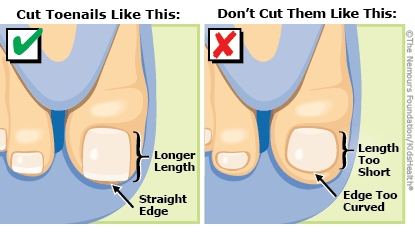
Incorrect nail cutting picture
When nails are cut too short or curved, the skin can fold over the edge of the nail, and the nail edge can grow into the skin as it regrows.
2. Tight or ill-fitting footwear
Shoes or socks that are:
- Too tight in the toe box
- Pointed or narrow at the front
- High heels that push the toes forward
These can push the nail into the skin repeatedly, irritating the nail fold and increasing the risk of ingrowth.
3. Toe injuries or repeated pressure
- Stubbing your toe
- Dropping something heavy on the foot
- Repetitive sports (running, football, netball, dance)
Trauma can change the shape of the nail or nail bed, making ingrown toenails more likely.
4. Natural nail shape and genetics
Some people naturally have:
- Curved or “pincer” nails
- Thicker nails
- A family history of ingrown toenails
This can mean you’re simply more prone to ingrown nails, even if your footwear and nail care are good.
5. Underlying health conditions
Conditions that affect circulation, immunity, or foot structure (such as diabetes) can increase the risk of complications from ingrown nails and infections, making early treatment especially important.
How to Fix an Ingrown Toenail at Home (Mild Cases Only)
If your ingrown toenail is early and mild – a bit sore and red but not badly swollen, oozing, or very painful – some simple home care may help relieve symptoms.
Important:
If you have diabetes, poor circulation, a weakened immune system, severe pain, spreading redness, or signs of infection (pus, foul smell, fever), you should see a doctor promptly instead of trying to manage it yourself.
1. Warm salt water soaks
Soak your foot in warm water (not too hot) with a small amount of salt for:
- 10–15 minutes
- 2–3 times a day
This can help reduce swelling and ease discomfort.
2. Keep the toe clean and dry
After soaking:
- Gently dry the foot, especially between the toes.
- Wear clean, breathable socks.
- Avoid walking around barefoot in public places.
3. Gentle lifting – if safe
For very mild cases, some people get relief by gently lifting the edge of the nail away from the skin using a small piece of cotton or dental floss.
However:
- This should not be painful. If it is, stop.
- Do not dig aggressively under the nail – this can worsen the problem or cause infection.
- If you’re unsure, it’s safer to see a GP.
4. Choose better footwear
- Wear open-toed shoes or shoes with a wide toe box.
- Avoid tight, high-heeled or pointed shoes that push the toes together.
Reducing pressure on the toe can make a big difference to comfort and healing.
How to Get Rid of an Ingrown Toenail – When You Need Medical Help
Sometimes, no matter what you try at home, the ingrown toenail keeps coming back, or it’s already too painful or infected to manage yourself. This is where professional treatment makes a big difference.
At CityMed, our doctors offer ingrown toenail treatment and minor surgery in our Auckland CBD medical centre under local anaesthetic. This means you’re awake, but the toe is numb, and you can walk out shortly after your procedure.
Signs it’s time to see a GP or specialist
You should book an appointment if you notice:
- Severe pain in the toe
- Swelling, warmth or redness spreading around the nail
- Pus, bleeding or a bad smell from the area
- Recurring ingrown nails on the same toe
You have diabetes, circulation problems or other health conditions affecting healing
Medical treatments for ingrown toenails at CityMed
Depending on the severity of your ingrown toenail, your doctor may recommend:
1. Non-surgical treatment
For mild to moderate cases, your GP may:
- Clean the area and try to elevate the nail by applying cotton with an antiseptic
- Prescribe antibiotics if there is a significant infection
- Give advice on footwear, nail care, and prevention
This can provide immediate pain relief and help settle the infection, but in some people, the problem may recur.
2. Minor ingrown toenail surgery (partial nail removal)
For more persistent or severe ingrown toenails, a minor surgical procedure can be the most effective long-term solution.
At CityMed, this is done as a day procedure under local anaesthetic, typically involving:
- Numbing the toe with a local anesthetic injection
- Removing the ingrown section of the nail
- Removing the nail root in that area to prevent that part of the nail from growing back
- Dressing the toe and giving you instructions for after-care and dressing changes
This approach aims to get rid of the ingrown toenail permanently on the affected side, while still leaving the rest of the nail looking fairly normal.
Because CityMed is set up for minor surgery under local anaesthetic in our dedicated procedure rooms, many patients find this option more convenient and cost-effective than hospital-based surgery.
How to Prevent Ingrown Toenails from Coming Back
Once your toe has healed, a few simple habits can greatly reduce the chance of another ingrown nail.
1. Trim nails correctly
- Cut nails straight across, not curved.
- Don’t cut them too short – you should still see a little white nail at the edge.
- Use clean, sharp nail clippers, and avoid tearing or ripping the nails.
2. Choose the right footwear
- Wear shoes with a wide, roomy toe box.
- Avoid shoes that are tight, pointed, or that compress the toes.
- If you’re active or play sports, make sure your footwear is properly fitted and replaced when worn out.
3. Look after your feet
- Keep feet clean and dry.
- Change socks daily.
- Check your feet regularly, especially if you have diabetes or reduced sensation in your feet.
4. Treat minor problems early
If you spot early redness or discomfort:
- Adjust your footwear
- Try warm salt water soaks
- Keep an eye on the nail
If it’s not improving or is getting worse, see a GP early before it becomes severe.
Why Choose CityMed in Auckland CBD for Ingrown Toenail Treatment?
CityMed is a centrally located medical centre in Auckland’s CBD, offering:
- Experienced doctors who regularly perform ingrown toenail surgery and other minor surgical procedures under local anaesthetic
- On-site nurses and access to additional services such as radiology and pharmacy
- A team approach to your care, including GPs with special interest in minor surgery, sports medicine and general foot issues
- Convenient access for people who live or work in the city
We provide both assessment and ongoing management, from early conservative care to minor surgery when needed.
Ready to Get Help for Your Ingrown Toenail?
You don’t have to put up with ongoing pain, repeated infections, or recurring ingrown nails.
- If your symptoms are mild, our GPs can advise on home care, nail care, and footwear to help fix the problem early.
- If your ingrown toenail is persistent, very painful,l or infected, we can discuss minor surgical options to get rid of the ingrown part of the nail and help prevent it from coming back.
Book an appointment with CityMed in Auckland CBD to have your ingrown toenail properly assessed and treated by our experienced team.